
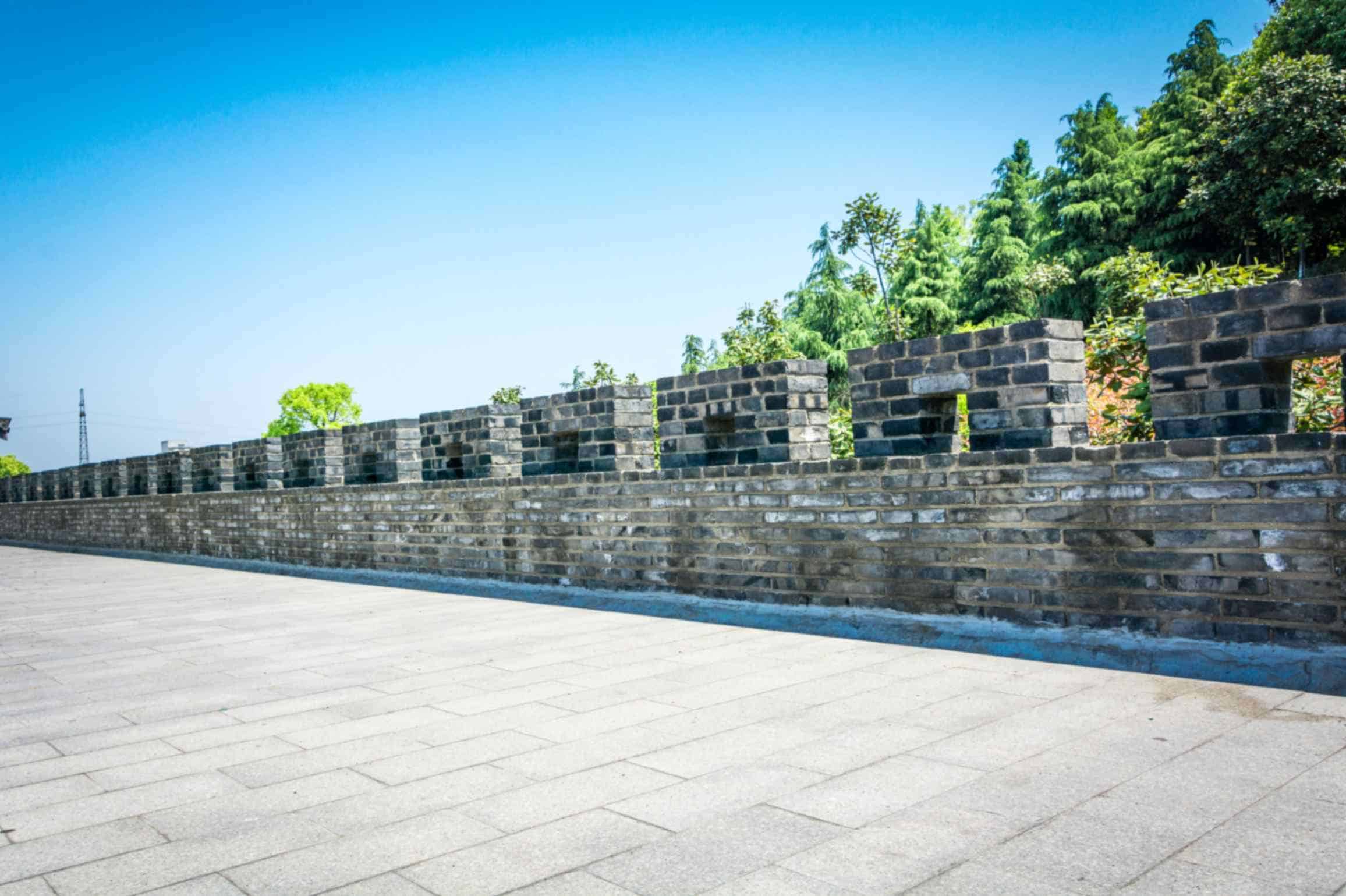
Walls do more than just divide spaces. In outdoor design, they bring structure, depth, and character to your yard. Whether you are framing a patio, managing a slope, or giving your property a more finished look, the type of wall you choose makes all the difference.
At Standard Brick Pavers, we often meet homeowners who know they want a wall but are not sure what kind. The truth is, freestanding walls and retaining walls serve very different purposes. One focuses on design and decoration, while the other provides support and stability. Knowing which one fits your space helps ensure your outdoor area stays beautiful and functional for years to come.
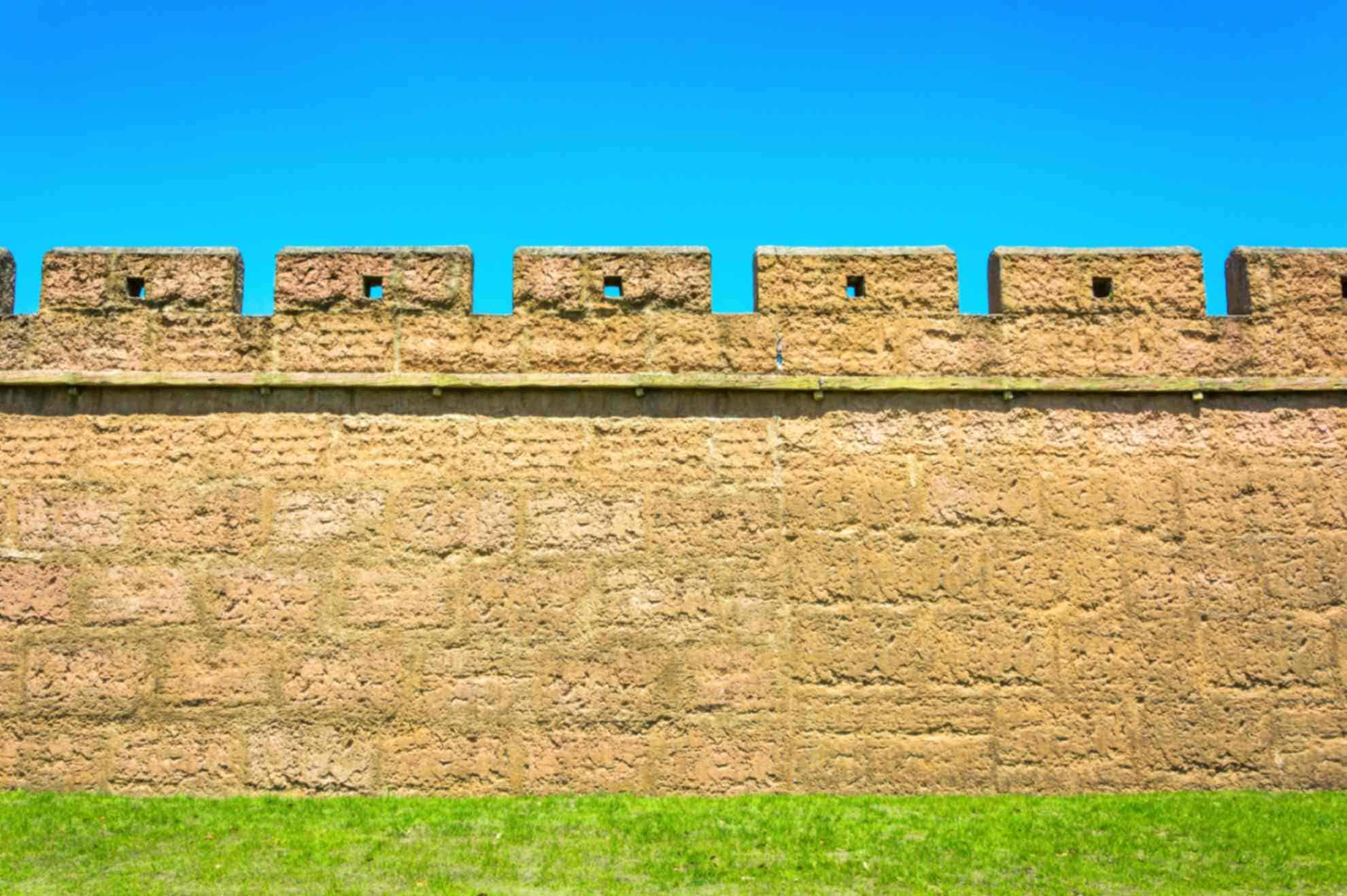
Freestanding Walls: The Finishing Touch for Outdoor Spaces
A freestanding wall does exactly what the name suggests. It stands freely without holding back soil. It is designed for structure and style rather than strength or pressure. These walls bring elegance and purpose to outdoor areas while adding architectural balance. You will often see freestanding walls used for:
- Defining patios, pool decks, and walkways
- Creating seating walls near fire pits
- Framing outdoor kitchens or lounge spaces
- Adding design interest around gardens
Because freestanding walls are visible from every side, both faces are finished. This makes them ideal for spaces where appearance matters. You can match the wall to nearby pavers, choose stone that complements your home, or even add lighting for a cozy evening atmosphere. Freestanding walls are perfect when you want a defined, stylish space without worrying about soil pressure or drainage.
Retaining Walls: The Backbone of Your Landscape
While freestanding walls focus on appearance, retaining walls are built for strength. They hold back soil, prevent erosion, and keep sloped landscapes from sliding or washing out. Think of them as the structural support system that keeps your outdoor space safe and level.
If your property has steep sections or uneven ground, a retaining wall can make a dramatic difference. It transforms difficult terrain into flat, usable areas for patios, gardens, or driveways. These walls are especially important in Florida’s heavy rains, which can cause soil to shift if not supported properly. To remain strong and effective, retaining walls are built with:
- Deep foundations or compacted bases
- Reinforcements such as rebar or geogrid
- Drainage systems that relieve water pressure
Retaining walls are practical, but they do not have to look industrial. When built with interlocking pavers, brick, or stone, they blend naturally with your landscape while adding timeless beauty.
Structure and Engineering: What Sets Them Apart
The main difference between these two wall types lies in how they are built. Freestanding walls depend on balance and symmetry, while retaining walls rely on engineering and reinforcement.
Retaining walls must be carefully designed to handle the pressure of soil and moisture behind them. They require proper footing depth, graded backfill, and precise drainage. These elements ensure that the wall remains stable over time.
Freestanding walls are simpler. They do not need to hold soil, so they are built entirely above ground. The focus is on even construction and clean lines rather than underground support. This makes them quicker to install and ideal for purely decorative projects.
Design and Visual Appeal
Freestanding walls offer unlimited creativity. Because they are visible from every angle, they often become focal points in outdoor design. You can match them to your patio pavers for a cohesive look or choose contrasting stone for added texture and color.
Retaining walls, on the other hand, are often designed to blend in. They may not take center stage, but they play a crucial role in shaping your landscape. A well-built retaining wall can frame raised garden beds, create terraced areas, or define separate zones in your yard while maintaining a clean, professional appearance.
Which Wall Fits Your Property?
Choosing between a freestanding wall and a retaining wall depends on what you want your space to do. Both have great benefits, but they serve completely different purposes.
You will likely need a retaining wall if:
- Your yard slopes or has uneven areas
- You have problems with soil erosion
- You want to create flat, usable outdoor spaces
You might prefer a freestanding wall if:
- Your property is mostly level
- You want to add definition and charm
- You are focused on aesthetics rather than soil support
If you are unsure which one is right for you, our team at Standard Brick Pavers can help. We visit your property, evaluate your layout, and design a plan that matches your needs and budget.
Building Materials That Matter
Both types of walls can be built from a variety of high-quality materials, but the right choice depends on their purpose.
For retaining walls, we often use:
- Interlocking concrete blocks that provide strength and drainage
- Reinforced pavers that offer durability and visual appeal
- Natural stone for a timeless and organic look
For freestanding walls, we recommend:
- Decorative pavers or bricks that match patios and walkways
- Stone veneer for texture and contrast
- Modular blocks for a clean and modern finish
Each material has unique benefits. What truly matters is the quality of the installation. Even the strongest materials will fail if the wall is not properly designed and constructed.
Residential and Commercial Applications
Both wall types add value and character to homes and businesses across the Tampa Bay region. Homeowners love how walls enhance outdoor living areas, while business owners appreciate how they improve curb appeal and safety. In residential spaces, retaining walls help prevent soil movement near driveways or patios, while freestanding walls define entertainment areas or garden borders.
In commercial settings, retaining walls often manage stormwater or separate elevation levels in parking areas, while freestanding walls create inviting boundaries, decorative entryways, or outdoor seating areas for customers. No matter the project, both types of walls are worth the investment when installed by a professional team that understands design, structure, and Florida’s unique climate.
Why Professional Installation Is Essential
Building any wall might seem simple, but proper construction takes skill and experience. Even a small mistake in leveling or drainage can cause big problems later, especially for retaining walls that hold back heavy loads.
At Standard Brick Pavers, our licensed and insured team has years of experience crafting walls that last. We handle every detail, from grading and base preparation to precise block alignment and finishing. Our process ensures your wall not only looks great but stands strong through Florida’s heat, rain, and humidity. Working with professionals gives you:
- A design tailored to your property’s layout
- Long-lasting materials that handle Florida’s environment
- Reliable craftsmanship backed by local expertise
When your project is built right the first time, you save money and enjoy a wall that stays beautiful and secure for years.
Build Your Perfect Wall with Standard Brick Pavers
Whether you are dealing with sloped ground, erosion issues, or simply want to add lasting structure to your landscape, Standard Brick Pavers specializes in custom retaining wall design and installation. As a locally owned and operated company, we proudly serve homeowners and businesses throughout the greater Tampa Bay region. We are licensed, insured, and committed to quality craftsmanship that stands up to Florida’s climate. Schedule your estimate and see how a professionally built retaining wall can transform your outdoor space.