
Drive through any business park or shopping plaza in Tampa Bay, and you can usually tell which properties are thriving and which ones are coasting on outdated maintenance budgets. It rarely comes down to the building itself. More often, it is the ground people walk on that sets the tone before they even reach the front door.
That shift in perception is exactly why so many property owners, developers, and facility managers across the region are moving away from plain concrete and toward pavers for parking lots, walkways, courtyards, and entrances. It is not a trend driven by aesthetics alone. It is a practical decision rooted in cost, durability, and the kind of first impression that keeps tenants, customers, and employees coming back.
The Curb Appeal Conversation Nobody Wants to Lose
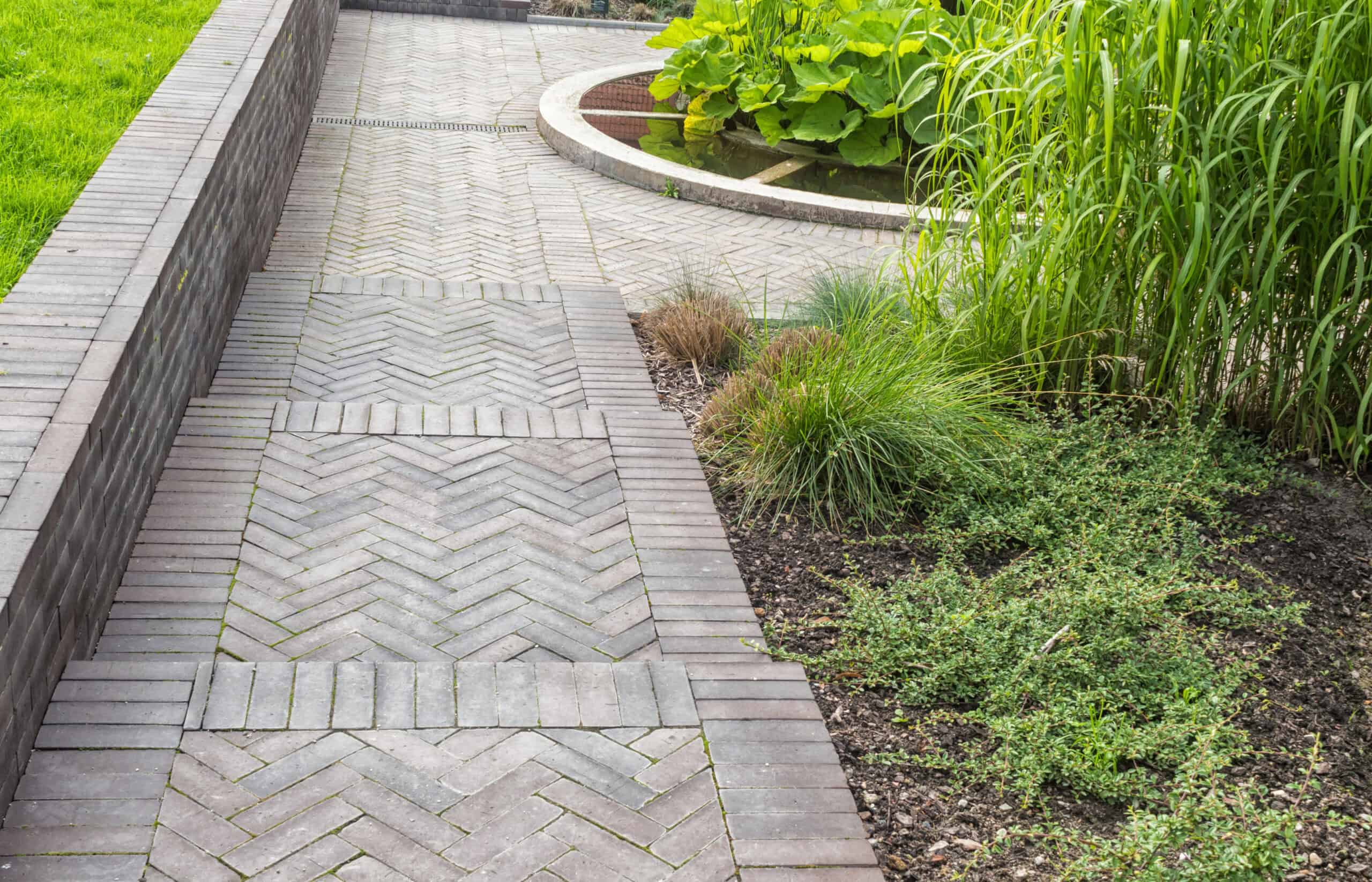
Commercial real estate is competitive, and the exterior of a property often gets judged in the first ten seconds someone spends on it. A cracked, gray slab of concrete tells a very different story than a clean, textured paver surface with defined lines and rich color variation. Property owners are catching on to the fact that hardscaping is marketing, whether they intended it that way or not. Pavers give commercial spaces a level of design flexibility that poured concrete simply cannot match. Patterns, colors, and textures can be mixed to reflect a brand identity or complement existing architecture, and that versatility shows up in a few specific ways:
- Custom layouts that guide foot traffic naturally toward entrances
- Color blending that matches signage, brick facades, or landscaping
- Decorative borders and accents that separate parking areas from walkways
- Slip-resistant textures for pool decks, courtyards, and high-traffic zones
None of that is available with a standard concrete pour, which is one flat, uniform surface with very little room for personality.
Concrete’s Hidden Costs Add Up Fast
Concrete looks like the budget-friendly choice on paper, and for a small residential driveway, it often is. Commercial properties operate under different conditions, though, with heavier vehicle loads, constant foot traffic, and exposure to the elements year-round. Those factors change the math significantly. When concrete cracks, and it eventually does, the repair options are limited and rarely subtle. Patching leaves visible discoloration, full slab replacement is expensive and disruptive, and neither option blends seamlessly with the surrounding surface. Property managers end up choosing between an eyesore and a five-figure repair bill, sometimes both in the same year.
Pavers sidestep that problem almost entirely. Because they are installed as individual units rather than one continuous slab, they flex slightly with ground movement instead of cracking under pressure. That flexibility is a major reason commercial property owners are willing to pay a bit more upfront in exchange for lower long-term maintenance costs.
Built to Handle Tampa Bay’s Toughest Seasons
Florida weather is not gentle on outdoor surfaces, and Tampa Bay properties deal with a particularly demanding combination of intense sun, heavy rainfall, and the occasional tropical system. Materials that hold up beautifully in milder climates often fail faster here, which makes surface selection a bigger deal than most property owners realize until it is too late.
Heat and Sun Exposure
Concrete absorbs and radiates heat, which contributes to surface degradation over time and can make walkways uncomfortably hot underfoot during the summer months. Pavers, especially lighter colored or textured options, reflect more heat and tend to stay cooler, which matters a great deal for outdoor seating areas, pool decks, and pedestrian walkways.
Heavy Rain and Drainage
Tampa Bay’s rainy season puts drainage systems to the test, and concrete’s solid, non-porous surface often contributes to pooling water and runoff issues. Permeable paver systems allow water to filter through the joints and into the ground below, reducing surface flooding and easing pressure on stormwater systems. For property owners managing drainage requirements or trying to avoid standing water near entrances, that difference alone can be worth the investment.
Repairs That Don’t Require a Demolition Crew
One of the most practical advantages pavers offer commercial properties is how repairs actually work. Instead of jackhammering out a damaged section and pouring new concrete that never quite matches the surrounding color or texture, pavers can be lifted, repaired, and reset individually. The process is faster, cleaner, and far less disruptive to business operations. This matters more than people expect for properties that cannot afford extended closures or messy construction zones near active entrances. A few examples of what that looks like in practice:
- A sunken paver near a loading dock can be reset in an afternoon
- Underground utility work no longer requires breaking and repouring an entire section
- Stained or damaged pavers can be swapped individually without discoloring the rest of the surface
- Seasonal settling can be corrected without a full resurfacing project
Concrete simply does not offer that kind of surgical repair option, and property managers who have dealt with a botched patch job understand exactly why that matters.
A Long-Term Investment, Not Just a Surface Choice
Commercial property decisions almost always come back to return on investment, and hardscaping is no exception. Pavers tend to increase property value more noticeably than concrete because of their visual appeal and durability, which matters when properties change hands or go through appraisal for financing. There is also the tenant and customer experience to consider. Retail centers, medical offices, apartment complexes, and hospitality properties all rely on people feeling comfortable and confident the moment they arrive. A well-maintained paver surface signals that a property is cared for, which quietly influences leasing decisions, customer trust, and even online reviews in ways owners do not always connect back to the pavement beneath their feet.
Insurance and liability play a role in this decision too, even though it rarely comes up until something goes wrong. Cracked or uneven concrete creates trip hazards that can turn into costly claims, especially in high-traffic commercial settings where foot traffic is constant throughout the day. Pavers that settle unevenly are far easier to correct on the spot, which lowers the odds of a small maintenance issue turning into a liability problem months later. Add in the reduced long-term maintenance costs, faster repair timelines, and better performance in Florida’s climate, and it becomes clear why so many commercial property owners in the area are rethinking their default choice of concrete. What starts as a decision about pavement often ends up shaping how a property performs financially for years to come.
Ready to Upgrade the Ground Your Business Stands On?
Every commercial property has a story to tell before a single person walks through the door, and the surface beneath their feet is a bigger part of that story than most owners give it credit for. Standard Brick Pavers works with commercial properties throughout the Tampa Bay area to design and install paver systems built for real-world durability, drainage challenges, and the kind of curb appeal that actually gets noticed.
Whether the project involves a parking lot overhaul, a new entrance walkway, or a courtyard redesign, the right hardscaping decision now saves significant time and money down the road. Reach out today to talk through a project and see what a well-designed paver surface can do for a property’s value, function, and first impression.